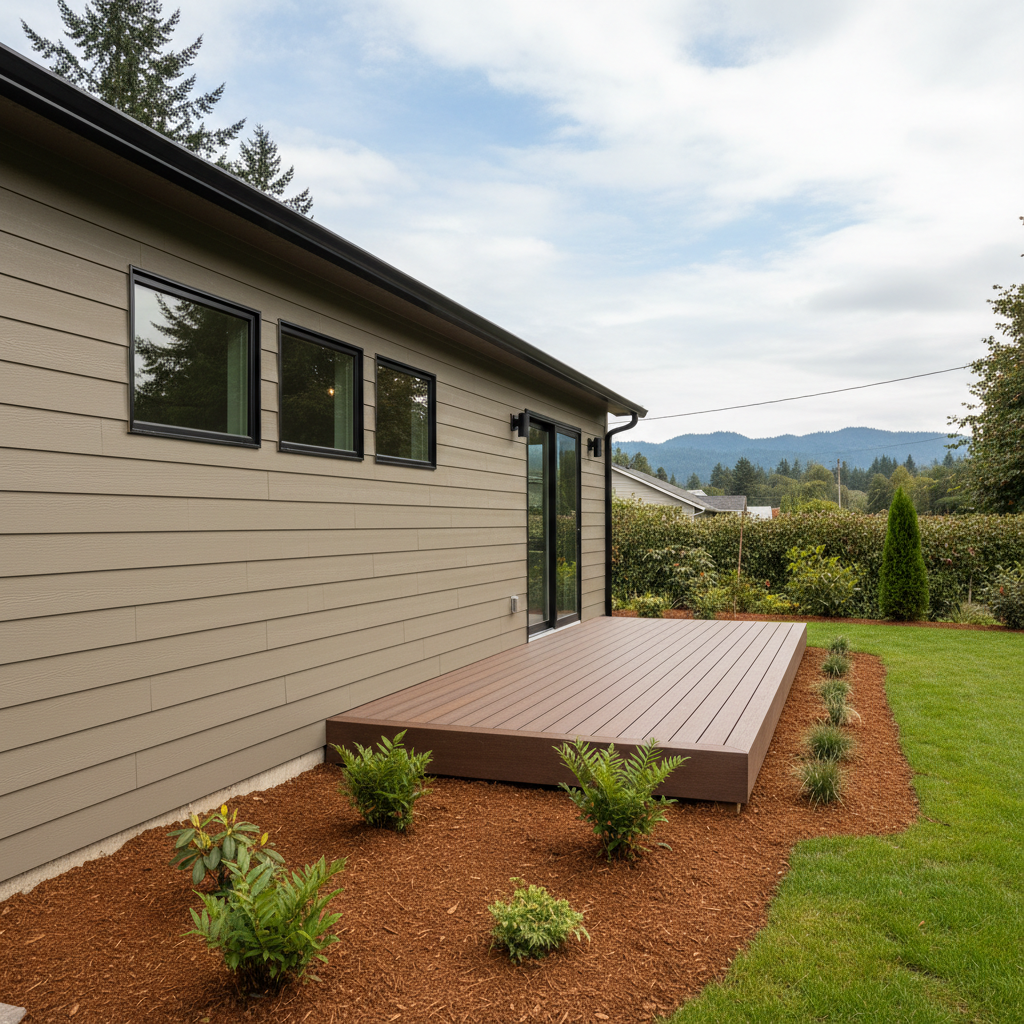
So, you finally did it – you took the plunge and turned your garage into a sweet new living space, maybe an office, or even a rental unit. That’s awesome! It's a really smart move, adding both value and usefulness to your home. But here’s the thing: just like any other part of your house, a garage conversion isn't something you can just 'set and forget.' You’ve put in time and money, right? So, you want that investment to last. That means a little regular care and knowing what to keep an eye out for.
Make Your Garage Conversion Last Longer
The best way to ensure your new space holds up over time, especially here in the Pacific Northwest, is to get ahead of problems. We get a ton of rain, and that moisture can really mess things up if it's not handled correctly. When Coastal ADU builds a conversion, we're thinking about this from day one. But once it's yours, well, the ball's in your court.
- Keep it Dry: This is super important. Make sure your gutters are clean and draining properly, especially during our long, wet winters. Water sitting around the foundation? That's just asking for trouble. Double-check your downspouts; they should be sending water at least five feet away from the foundation.
- Ventilation is Key: Our climate means humidity, plain and simple. If your conversion has a bathroom or kitchen, run those exhaust fans every single time you shower or cook. Even in other rooms, crack open windows when the weather's nice to get some fresh air moving through. Stale, humid air can easily lead to mold and mildew, and trust me, that's a headache you absolutely don't want.
- Sealants and Caulking: Over time, the caulk around windows, doors, and any spots where things poke through the exterior can dry out and crack. That's like an open invitation for water to sneak in. Check these areas every year, especially before the rainy season really gets going. If you spot cracks, re-caulk them. It’s a cheap fix that saves you from much more expensive problems down the road.
- Pest Control: Garages can be pretty appealing to critters. Once you convert it, you've got a warmer, more inviting space. So, keep an eye out for any signs of pests – little droppings, gnaw marks, or strange noises. Seal up any small gaps or holes you find in the exterior walls or around pipes.
Regular Upkeep: Your Checklist
Think of this as your seasonal tune-up. A little bit of effort now can save you a whole lot of grief later.
- Every Three Months:
- Clean out gutters and downspouts. Make sure nothing's blocked up there.
- Check your smoke and carbon monoxide detectors. Swap out the batteries once a year.
- Look for any signs of leaks around windows, doors, and plumbing fixtures.
- Once a Year (Spring/Fall):
- Give the outside a good once-over. Look at the siding for any damage, rot, or peeling paint. Deal with small issues before they blow up.
- Inspect the roof, if you can get to it safely. Look for missing shingles, moss buildup (which is super common in places like Cedar Hills), or damaged flashing.
- Check all the exterior caulking and sealants. Reapply where it's needed.
- Test all GFCI outlets, especially in kitchens, bathrooms, and outdoor areas.
- Clean or replace HVAC filters. This helps your air quality and keeps things running efficiently.
- Look for any cracks in the foundation or slab. Tiny hairline cracks might be normal, but anything wider than a credit card, or something that's actively growing, needs attention.
Warning Signs You Really Shouldn't Ignore
Your conversion usually gives you hints when something's not quite right. Don't just brush these off.
- Water Stains or Musty Smells: These are almost always big red flags for a leak or too much moisture. Don't just paint over a water stain; you need to find the source.
- Cracks in Walls or Ceilings: Small hairline cracks from settling are usually fine. But larger, spreading cracks, especially ones that run horizontally or stair-step, could mean structural problems.
- Floors or Ceilings That Sag: This is a serious sign of structural trouble.
- Doors or Windows That Stick: If they suddenly become hard to open or close, it might point to foundation movement or issues with the framing.
- Mold or Mildew Growth: Beyond a tiny bit in a shower corner, widespread mold means you've got a moisture problem that needs fixing right away.
- Unusual Sounds: Squeaking, creaking, or grinding noises from your HVAC system, or dripping sounds you can't pinpoint, are definitely worth looking into.
- Pest Activity: Seeing more spiders, ants, or rodents than usual, or finding their droppings, means they've found a way inside.
When to Call a Professional
Look, I'm a contractor, and I'm all for DIY when it makes sense. But some things are just way beyond what the average homeowner should tackle – and trying to fix them yourself can make things worse, or even dangerous. So, don't hesitate to call in the pros when:
- You think there might be a structural issue: Sagging floors, big cracks, or foundation problems are not DIY projects. Get a structural engineer or a good general contractor like Coastal ADU out there to take a look.
- You've got persistent leaks you can't find or fix: Water damage can get out of hand fast. If you've tried the obvious solutions and still have a leak, call a plumber or a leak detection specialist.
- There's extensive mold growth: Small patches you can clean, sure. But if mold covers a large area or keeps coming back, you need professional remediation to make sure it's really gone and the moisture source is dealt with.
- You're having electrical problems: Flickering lights, outlets not working, or breakers constantly tripping? Those are jobs for a licensed electrician. Don't mess with electricity unless you know exactly what you're doing.
- Your HVAC system isn't working: If your heating or cooling is acting up, or you hear strange noises, call an HVAC technician.
- You've got serious pest infestations: If you're dealing with termites, carpenter ants, or rodents that are causing damage, a professional exterminator is your best bet.
Your garage conversion is a valuable asset, isn't it? A little routine maintenance and knowing when to call in the cavalry will make sure it stays that way, giving you and your family a comfortable, functional space for years and years.