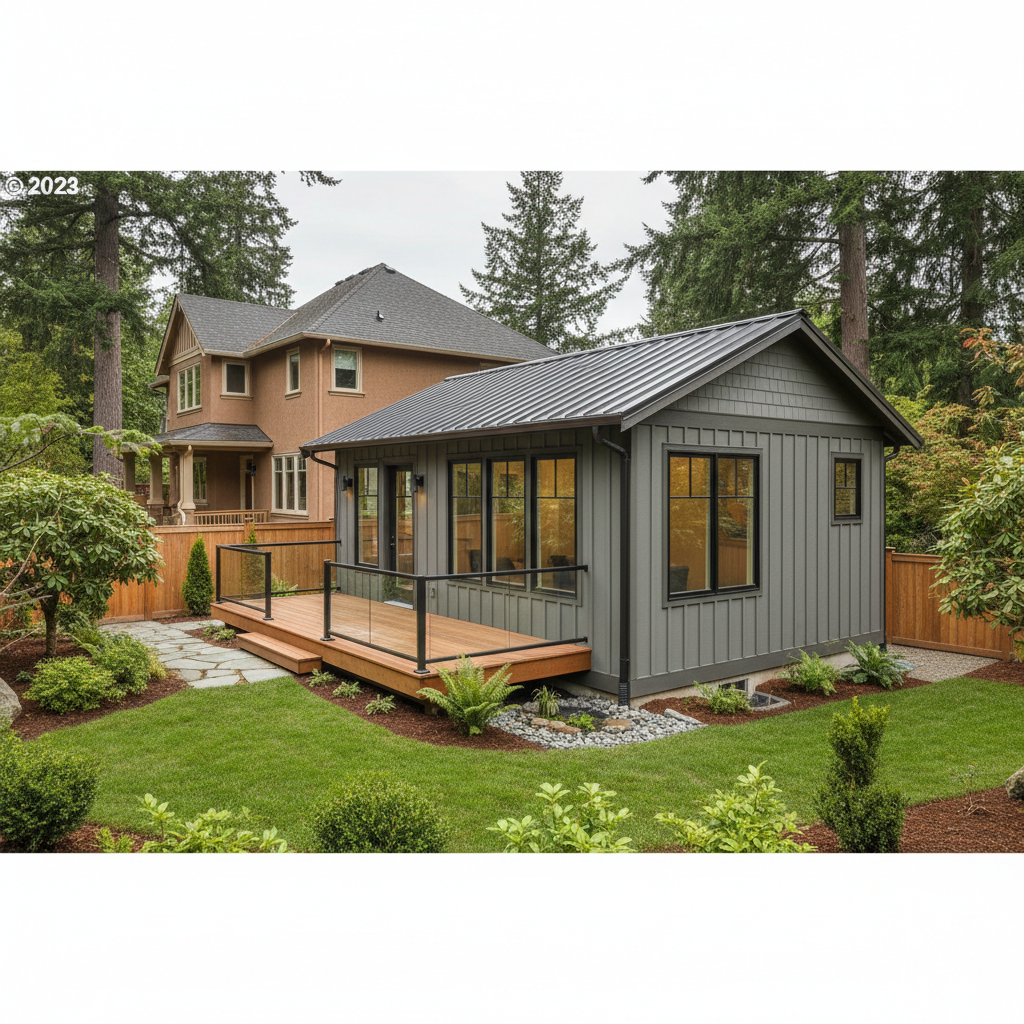
Alright, let's talk about ADU financing. Dreaming up that perfect backyard cottage or garage conversion is one thing, but actually paying for it? That's where a lot of folks here in Beaverton get tangled up. I've seen it happen time and again, and honestly, it's frustrating to watch good people make avoidable mistakes that cost them time, money, and a whole lot of headaches. So, I'm going to lay out some of the biggest blunders I see when homeowners are planning or trying to get money for their ADU projects.
Mistake #1: Not Getting a Realistic Project Estimate FIRST
This is probably the biggest one out there. People often walk into a lender's office with a number they just pulled out of thin air, or maybe got from a quick online calculator. They haven't actually chatted with a contractor, an architect, or anyone who can give them a solid, line-by-line estimate for their specific project. Then they get approved for, say, $150,000, only to find out their dream ADU is actually going to cost $220,000. Now they're scrambling, trying to re-qualify; even worse, they might have to drastically scale back their plans or just give up on the project entirely.
You absolutely need to know what your project will cost before you even start thinking about how much you need to borrow. Get a few detailed bids from reputable contractors like Coastal ADU. Make sure to factor in design work, permits, utility hookups – everything, really. Don't just guess.
Mistake #2: Underestimating Soft Costs & Contingencies
Everyone tends to focus on the 'sticks and bricks' cost, right? The framing, the plumbing, the electrical. But what about those 'soft costs'? We're talking architectural drawings, engineering reports (super important if you've got tricky soil conditions, which are common in parts of Beaverton, like that heavy clay), permit fees, impact fees, and all those little things that really add up fast. And then there's the contingency. You have to budget for unexpected issues. I always tell clients to plan for at least 10-15% of the construction cost as a contingency fund. If you don't use it, fantastic! But if you hit a surprise during excavation or find an old, unpermitted sewer line, you'll be so glad you had that money set aside. Lenders usually won't cover these 'surprises' unless you've built them into your original loan request.
Mistake #3: Not Understanding Different Loan Types
There isn't just one 'ADU loan,' you know. You've got options, and each one has its good points and bad points. Some people jump straight into a cash-out refinance because their bank offers it, without realizing a construction loan might actually work better for their project's timeline and how they'll need to pay things out. Or maybe a HELOC (Home Equity Line of Credit) makes more sense if you're doing a smaller, phased project and want some flexibility. Some lenders even specialize in ADU financing and really get the unique challenges, like how that future rental income can affect your debt-to-income ratio when you're trying to qualify.
Do your homework. Chat with a few different lenders. Ask them to explain the differences between a construction loan, a cash-out refi, a HELOC, and even renovation loans like an FHA 203(k). Don't just take the first offer that comes your way without understanding all the fine print.
Mistake #4: Ignoring Your Credit Score & Debt-to-Income Ratio
This sounds pretty basic, but you'd be surprised how often it happens. Many homeowners get all excited about an ADU, start planning, and then hit a brick wall when they apply for financing because their credit score isn't where it needs to be, or their debt-to-income (DTI) ratio is too high. Lenders are going to really dig into your financial health. A lower credit score means higher interest rates, if you even qualify at all. A high DTI means they might not lend you enough money, or anything.
Before you even start looking at financing, grab a free credit report. Know your score. If it's low, spend some time improving it. Pay down other debts to lower your DTI. This isn't something you can fix overnight, so it's best to tackle it early in your planning process.
Mistake #5: Starting Construction Before Securing ALL Funds
This is just a recipe for disaster. I've seen projects grind to a complete halt because a homeowner started demolition or even foundation work, thinking their loan was a sure thing, only to have it fall through or get delayed. Now they've got a half-finished project, potentially exposed to the elements, and no money to finish it. It's a total mess.
Do not, under any circumstances, start any significant work on your ADU until you have secured 100% of the financing you need and actually have access to those funds. That means the loan is closed, the money is in an escrow account or available to you, and all the paperwork is signed. Don't rely on verbal assurances or 'almost approved' statuses. Get it in writing, and get the money in hand.
Building an ADU is a fantastic investment for your Beaverton property, but you've got to approach the financing side smartly. Avoid these common mistakes, and you'll be well on your way to a smooth project and a valuable addition to your home.